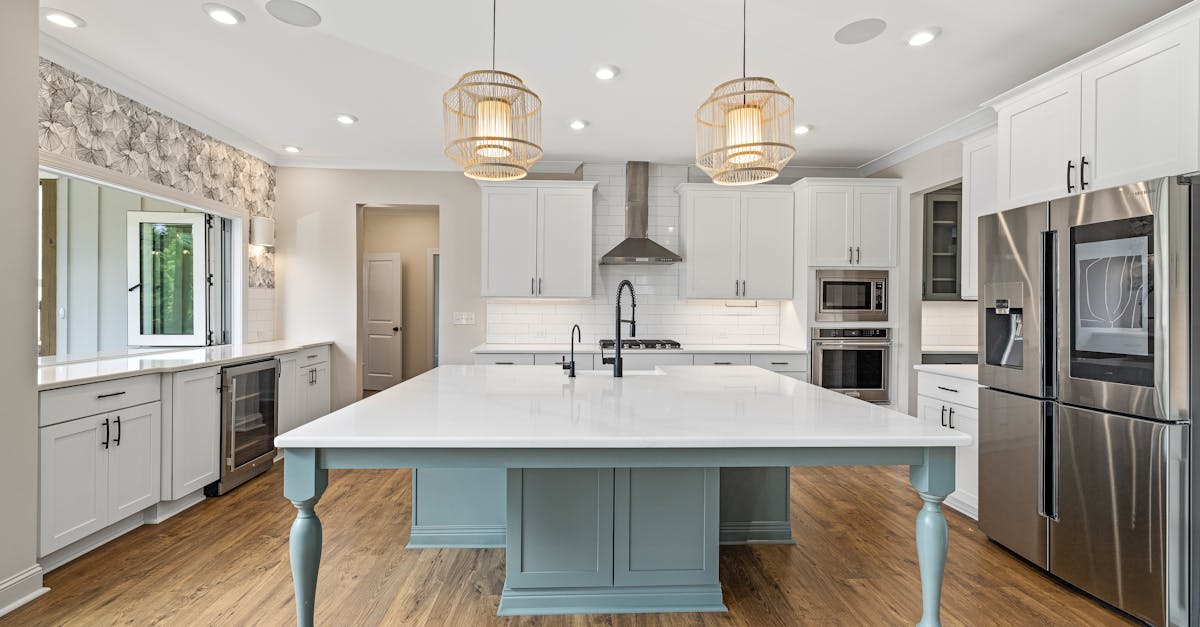
Natural Stone Choices for Eco-Friendly Kitchen Countertops
Table Of Contents
Limestone
This sedimentary rock is composed primarily of calcium carbonate. Its natural appearance and durability make it a popular choice for kitchen countertops. Varieties of limestone exhibit shades ranging from light creams to darker hues, offering flexibility in design. This stone can withstand heat and is relatively easy to clean, making it practical for culinary spaces.
In addition to its aesthetic appeal, limestone is often sourced sustainably. It is relatively abundant compared to other natural stones, and its extraction typically results in less environmental disruption. This material can be honed or polished to achieve the desired finish, enabling homeowners to select a texture that fits their kitchen's overall style. Using limestone can contribute to an eco-friendly approach in kitchen design, aligning with sustainable trends in home renovations.
Characteristics and Uses in Kitchens
Limestone is renowned for its durability and versatility, which makes it an excellent choice for kitchen countertops. Its natural composition allows for a range of colours, typically seen in soft tans, greys, and cream shades. This stone has a porous nature, which means it may require sealing to prevent stains or damage. In addition to countertops, limestone is often used for backsplashes, providing a cohesive look throughout the kitchen.
The aesthetic appeal of limestone can enhance various kitchen styles, from rustic to modern. Its unique texture offers a warm and inviting feel that pairs well with wood cabinetry and stainless steel appliances. Homeowners appreciate using limestone not only for its beauty but also for its eco-friendly characteristics, as it is a natural resource that can be sourced sustainably.
Travertine
This sedimentary rock is noted for its unique textures and patterns, often characterised by its porous surface and naturally occurring colour variations. Travertine is formed by mineral deposits from hot springs, leading to distinctive features that can enhance the visual appeal of kitchen countertops. Its aesthetic versatility allows it to seamlessly fit into both rustic and modern kitchen designs, making it a popular choice among homeowners and designers alike.
While travertine countertops offer stunning appearances, they also come with some considerations. The porous nature of travertine can make it susceptible to staining if not properly sealed, requiring regular maintenance to preserve its beauty. Additionally, its softness means it may scratch or chip more easily compared to harder stones, necessitating care during use. Understanding these pros and cons can help potential buyers make informed decisions when selecting materials for their kitchens.
Pros and Cons of Travertine Countertops
Travertine countertops are known for their unique, natural beauty, showcasing an array of textures and colours. Their visually appealing surface can create a warm and inviting atmosphere in a kitchen. Travertine is relatively easy to maintain, requiring only regular sealing to preserve its finish and resistance to stains. This stone has good heat resistance, making it suitable for environments where hot pots and pans may be placed directly on the surface.
Despite its aesthetic advantages, there are some drawbacks to using travertine. The porous nature of the stone can make it susceptible to staining if not properly sealed and maintained. It can also be more prone to scratches and chips compared to harder stones like granite or quartz. This means careful consideration is needed in busy kitchens where heavy use might compromise the integrity of the countertops. Overall, understanding both its allure and limitations will help homeowners make an informed decision when considering travertine for their kitchen.
Recycling Natural Stone
The process of recycling natural stone offers significant benefits for both the environment and the construction industry. When reclaimed from demolished buildings or leftover materials from new projects, natural stone can be repurposed into new countertops, tiles, or other applications. This practice not only reduces waste sent to landfills but also conserves the resources required for quarrying new stone. By choosing recycled options, homeowners and designers can create unique surfaces while promoting sustainability.
Incorporating recycled stone into kitchen designs can provide a distinctive aesthetic that highlights the variations and history of the material. Each piece carries its own story, characterised by natural patterns and textures developed over time. Furthermore, using recycled stone often reduces the overall carbon footprint associated with producing new materials. This makes it an appealing choice for eco-conscious consumers looking to enhance their kitchens while considering the environmental impact of their decisions.
The Environmental Impact of Stone Recycling
The practice of recycling natural stone significantly benefits the environment by reducing waste and conserving resources. When old stone countertops are repurposed, the energy and materials required for new stone extraction are diminished. This process helps to alleviate the demand for quarrying, which can lead to habitat destruction and increased carbon emissions associated with mining activities.
Recycling also allows for the creative reuse of beautiful, unique materials that would otherwise end up in landfills. By utilising remnants from renovation projects or salvaging stone from demolished structures, designers can create stunning new surfaces with a lower environmental footprint. This approach not only extends the life cycle of valuable natural resources but also fosters a sustainable mindset within the construction and interior design industries.
FAQS
What are the benefits of using limestone for kitchen countertops?
Limestone is a sustainable alternative as it is a natural stone that is abundant and requires less energy to extract and process compared to other materials. Its durability and unique aesthetic make it a popular choice for kitchens.
How does travertine differ from other natural stones?
Travertine is known for its unique textures and patterns, which result from the natural formation process involving mineral deposits. This gives each countertop a distinctive appearance, making it a stylish choice for kitchens.
What are some pros and cons of using travertine for countertops?
Pros of travertine include its unique beauty, durability, and natural heat resistance. However, cons include its porosity, which can lead to staining if not sealed properly, and it may require more maintenance than other materials.
Can natural stone countertops be recycled?
Yes, natural stone countertops can be recycled. Recycling involves repurposing leftover or discarded stone into new products, reducing waste and the demand for new materials, making it an eco-friendly option.
What is the environmental impact of recycling natural stone?
The environmental impact is positive, as recycling natural stone reduces landfill waste, conserves natural resources, and lowers energy consumption associated with quarrying and processing new stone materials.
Related Links
Innovative Use of Upcycled Materials in Kitchen DesignsEnergy-Efficient Appliances for Eco-Conscious Renovations
Eco-Friendly Lighting Solutions for Modern Kitchens
Designing with Water-Saving Fixtures in Mind
Incorporating Bamboo into Your Kitchen Design
Biodegradable Kitchen Flooring Solutions
Choosing Low-VOC Paints for a Healthy Kitchen Environment
Sustainable Timber Options for Kitchen Counters