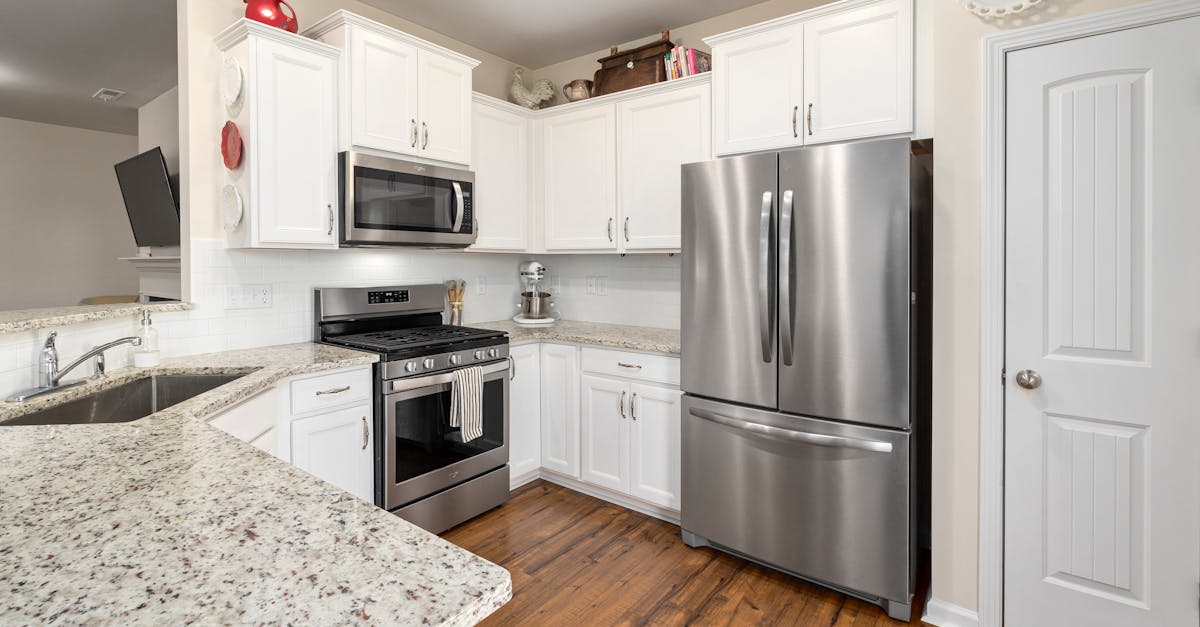
Designing with Water-Saving Fixtures in Mind
Table Of Contents
Innovative Water-Saving Technologies
The development of innovative technologies focused on water conservation has become increasingly crucial as global awareness of resource scarcity grows. Smart irrigation systems represent a significant leap forward, utilising sensors and weather data to optimise water usage in landscaping. These systems enhance efficiency by ensuring that plants receive the right amount of water without excess runoff or evaporation losses.
Another groundbreaking advancement includes low-flow fixtures, which significantly reduce water consumption without sacrificing performance. Modern showerheads are designed to maintain water pressure while using less than half the amount of water compared to traditional models. Similarly, taps equipped with aerators can help diminish water flow while enhancing user experience. Such solutions not only lower water bills but also contribute to a more sustainable environment.
Advances in Showerhead and Faucet Designs
Showerheads and faucets have undergone significant transformations in recent years, with innovative designs focusing on improved efficiency without sacrificing performance. Many modern fixtures incorporate technology that optimises water flow while maintaining pressure, offering a satisfying user experience. Eco-friendly alternatives such as aerators and flow restrictors enable these fixtures to use less water, which is beneficial for both the environment and utility bills.
Furthermore, aesthetic considerations play a crucial role in contemporary designs, blending functionality with style. Sleek, minimalist shapes and finishes are popular, appealing to a wide range of tastes. Some brands also integrate smart technology, allowing users to monitor water usage through apps, giving them greater awareness of consumption patterns. These innovations represent a significant stride towards sustainability in the home while enhancing the overall water-use experience.
Retrofits and Upgrades for Existing Spaces
Retrofitting older plumbing systems can yield significant water savings without the need for extensive renovations. Homeowners can replace standard showerheads and faucets with water-efficient models designed to maintain pressure while using less water. Low-flow toilets are another effective upgrade, significantly reducing water usage with each flush. Each of these improvements contributes to a more sustainable home while often offering immediate cost savings on utility bills.
Integrating water-saving technologies into existing spaces can be straightforward. Simple modifications, like installing aerators on kitchen and bathroom taps, can decrease water flow while preserving functionality. Educating homeowners about available products can encourage wider adoption of these technologies. As awareness increases, the impact on water conservation efforts becomes more pronounced, benefiting both the environment and household expenses.
How to Integrate Water-Saving Solutions
Incorporating water-saving solutions into existing fixtures requires careful consideration and planning. Start by assessing the current systems in place. Identify high-use areas such as bathrooms and kitchens where changes can have the most significant impact. Replacing traditional fixtures with modern, water-efficient options is a straightforward approach. Low-flow toilets, aerated faucets, and energy-efficient showerheads can all contribute to reducing overall water consumption.
For those looking to enhance their water conservation strategies, smart technology offers a range of innovative solutions. Devices such as flow monitors and smart irrigation systems allow for real-time tracking and management of water usage. Additionally, educating household members about water-saving practices can further amplify the effects of physical upgrades. Simple habits like shorter showers and turning off taps while brushing teeth can complement the effectiveness of new fixtures.
Regulations and Standards for Water Efficiency
Water efficiency regulations play a critical role in guiding both residential and commercial practices. These rules often stipulate specific maximum flow rates for various plumbing fixtures, ensuring that new installations meet recognised benchmarks for sustainability. In Australia, different states and territories may have distinct requirements, driven by local water sources and supply challenges. Adhering to these standards not only helps in conserving water but also promotes responsible usage among consumers and businesses.
Understanding local water conservation laws is essential for designers and homeowners alike. Compliance with these regulations can significantly influence the choice of fixtures and appliances during both new builds and renovations. Beyond legal requirements, many local governments promote initiatives encouraging the adoption of water-efficient technologies through rebates and incentives. This encouragement serves to foster a culture of sustainability that aligns with the broader goals of environmental stewardship and conservation.
Understanding Local Water Conservation Laws
Local water conservation laws vary significantly across Australia, influenced by factors such as climate, geography, and population density. These regulations are designed to manage water use more effectively, ensuring that both residential and commercial properties adopt sustainable practices. In many states, local councils have implemented water restrictions to limit outdoor watering during dry spells, while others promote the installation of water-efficient appliances. Understanding these legal frameworks can aid in compliance, helping property owners avoid penalties and contribute positively to the environment.
Different regions may offer incentives for implementing water-saving technologies, such as rebates for purchasing low-flow fixtures or rainwater harvesting systems. It is essential to stay informed about updates to these regulations, as changes may arise based on evolving water availability and environmental needs. Consulting with local authorities or industry resources can provide clarity on specific measures required in different areas. This proactive approach not only fosters efficient water usage but also aligns with broader sustainability goals for communities.
FAQS
What are water-saving fixtures?
Water-saving fixtures are plumbing devices designed to reduce water consumption without sacrificing performance. This includes low-flow showerheads, faucets, and toilets that help conserve water.
How can I identify if my existing fixtures are water-efficient?
Look for fixtures that have a Water Efficiency Labelling and Standards (WELS) rating, which indicates their water consumption levels. Low-flow models typically use less than 9 litres per minute for taps and less than 6 litres per flush for toilets.
Are there financial incentives for upgrading to water-saving fixtures in Australia?
Yes, many local councils and water authorities in Australia offer rebates or incentives for homeowners who install water-efficient fixtures as part of their water conservation initiatives. It's best to check with your local authority for specific programs.
Can water-saving fixtures affect water pressure?
Generally, modern water-saving fixtures are designed to maintain water pressure while using less water. However, the actual performance can vary depending on the specific model and installation; it’s recommended to choose high-quality products.
How do I retrofit my home with water-saving solutions?
Retrofitting can involve replacing old fixtures with new water-efficient models, installing aerators on taps, or adding flow restrictors. Consulting a professional plumber can also help ensure proper installation and compliance with local regulations.
Related Links
Eco-Friendly Lighting Solutions for Modern KitchensInnovative Use of Upcycled Materials in Kitchen Designs
Natural Stone Choices for Eco-Friendly Kitchen Countertops
Energy-Efficient Appliances for Eco-Conscious Renovations
Incorporating Bamboo into Your Kitchen Design
Biodegradable Kitchen Flooring Solutions
Choosing Low-VOC Paints for a Healthy Kitchen Environment