Integrating Natural Elements Through Colour Choices
Table Of Contents
The Effect of Neutrals on Natural Light
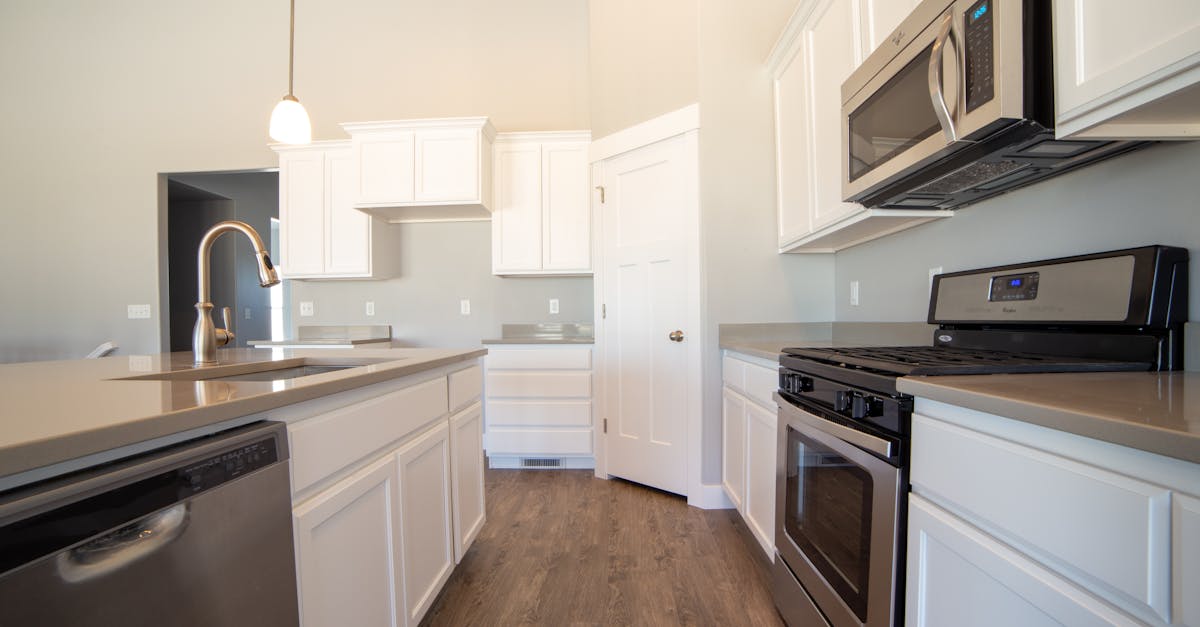
Neutral colours play a pivotal role in shaping the perception of space and light within any interior environment. By using shades like whites, beiges, and greys, homeowners can create an airy and expansive feel. These colours have the unique ability to reflect natural light, ensuring that a room feels brighter and more welcoming. The choice of neutrals can also serve as a solid foundation, allowing furniture and decorative elements to stand out without overwhelming the senses.
Natural light varies throughout the day, and neutrals adapt to these changes seamlessly. In the early morning, soft neutrals enhance the gentle glow of dawn, while during midday, they can help maintain brightness against harsh sunlight. As the sun sets, these colours absorb the warm hues of twilight, providing a cosy atmosphere. The dynamic interplay between neutral tones and natural light elevates the overall aesthetic, making spaces feel both grounded and vibrant.
Harnessing Whites, Beiges, and Greys for Brightness
Light tones have a remarkable ability to enhance the brilliance of a space. Whites, beiges, and greys not only reflect natural light but also create a sense of openness. These hues can serve as a backdrop, making other design elements stand out. When carefully selected, they can evoke feelings of serenity and expansiveness. Using matte finishes can soften the visual impact, while gloss levels can increase the vibrancy of these shades, transforming a room from ordinary to extraordinary.
In addition to brightness, the right choices can instil warmth. Beige offers a subtle earthiness that complements various textures and materials. Grey, on the other hand, introduces a modern touch while remaining versatile and elegant. Balancing these colours effectively can establish a harmonious atmosphere. Layering different tones and textures enriches the visual experience, ensuring that spaces feel both inviting and sophisticated.
Accent Colours Inspired by Nature
Incorporating accent colours inspired by the natural world can breathe life into a space. Shades derived from the rich hues of native Australian flora, such as the vibrant reds of a gum blossom or the soft purples of wisteria, offer a striking contrast to more subdued backgrounds. These pops of colour create visual interest while maintaining a connection to the outdoors. Such choices not only celebrate the beauty of the environment but also invite a sense of calm and warmth into interior designs.
Selecting colours reflective of wildlife can further enhance the harmony between a home and its surrounding ecosystem. Earthy greens reminiscent of ferns and deep blues inspired by coastal waters evoke feelings of serenity and balance. These natural tones allow for versatility in design, facilitating combinations that can range from playful to sophisticated. By drawing inspiration from the rich palette observed in nature, spaces can become vibrant yet grounded, resonating with a sense of harmony that resonates throughout the home.
Choosing Pops of Colour from Flora and Fauna
Integrating vibrant hues from the natural world can create breathtaking focal points in any environment. Drawing inspiration from the rich colours found in native plants and wildlife allows for a harmonious balance between indoor and outdoor elements. Bright yellows of wattle, deep blues reminiscent of ocean waves, and soft pinks inspired by blooming flowers can all serve as captivating accents. These shades not only inject energy into a space but also foster a sense of connection with the surrounding landscape.
When selecting colours, it's essential to consider their context within a broader palette. For instance, a bold red inspired by native flora can pop against a calming backdrop of neutral tones. Similarly, the earthy greens of eucalyptus can complement wooden finishes, reinforcing a natural aesthetic. Incorporating these vibrant shades encourages a celebration of Australia’s diverse ecosystems, enhancing both aesthetic appeal and the overall wellbeing of the inhabitants.
Seasonal Colour Palettes
Shifting colour palettes with the seasons can invigorate a space and enhance its connection to the outdoors. In spring, soft pastels and bright greens reflect the renewal of flora, while summer often embraces vibrant hues like deep blues and warm oranges, evoking the essence of sunny days. Autumn brings a shift towards earthy tones such as rust and ochre, echoing the changing foliage. Winter typically invites a more subdued palette, characterised by cool whites and rich, deep colours that create a cosy atmosphere.
Integrating these seasonal colours requires a thoughtful approach to ensure harmony throughout the year. For example, using versatile base colours can act as a canvas for seasonal accents, while natural materials like timber or stone maintain a consistent grounding effect. Decorative elements such as cushions, throws, or wall art provide the opportunity for easy updates, allowing spaces to feel fresh and in tune with nature’s cycles. Regularly rotating these features not only fosters a vibrant aesthetic but also creates a deeper emotional connection with the evolving environment.
Adapting Designs to Reflect Changes in Nature
As the seasons shift, adapting colour schemes to mirror the surrounding landscape can create a dynamic and harmonious atmosphere within a space. Spring often calls for brighter, more vibrant hues inspired by blooming flowers. In contrast, the crisp tones of autumn evoke warm, earthy shades that resonate with the changing foliage. Designers can draw on the local environment to curate palettes that reflect these natural rhythms, adding depth and relevance to interior designs.
With each new season comes an opportunity to rethink and refresh spaces through colour. Summer might inspire a palette filled with cool blues and greens reminiscent of ocean vistas, while winter lends itself to the use of soft whites and icy pastels that mimic the tranquil feel of a snowy landscape. By incorporating these seasonal nuances, a home can feel more alive and connected to the environment, enhancing emotional well-being and fostering a sense of peace.
FAQS
How do neutral colours affect natural light in a space?
Neutral colours such as whites, beiges, and greys can enhance the brightness of a room by reflecting natural light, creating an airy and spacious atmosphere.
What are some effective ways to incorporate accent colours inspired by nature?
You can add pops of colour through decorative items, artwork, or soft furnishings that reflect the vibrant hues found in flora and fauna, such as greens, blues, and earthy tones.
How can I create a seasonal colour palette for my home?
To create a seasonal colour palette, consider the colours that reflect each season—soft pastels for spring, vibrant shades for summer, warm earthy tones for autumn, and cool, muted hues for winter.
What are the benefits of using natural elements in colour choices?
Integrating natural elements through colour choices can create a calming and harmonious environment, promote well-being, and foster a connection with the outdoors.
How often should I update my colour palette to reflect changes in nature?
It’s a personal choice, but many people choose to refresh their colour palette seasonally or annually to keep their space feeling current and in tune with the natural world.
Related Links
Trends in Textured Finishes for Kitchen SurfacesThe Impact of Colour Psychology in Kitchen Renovations
Creating Contrast with Darker Shades in Kitchen Spaces
Popular Finishes to Enhance Your Kitchen Aesthetics
Designing a Harmonious Colour Flow with Open Spaces
How to Incorporate Accent Colours in Your Kitchen
Exploring Neutrals: The Timeless Kitchen Palette