Creating Contrast with Darker Shades in Kitchen Spaces
Table Of Contents
Lighting Considerations for Dark Kitchens
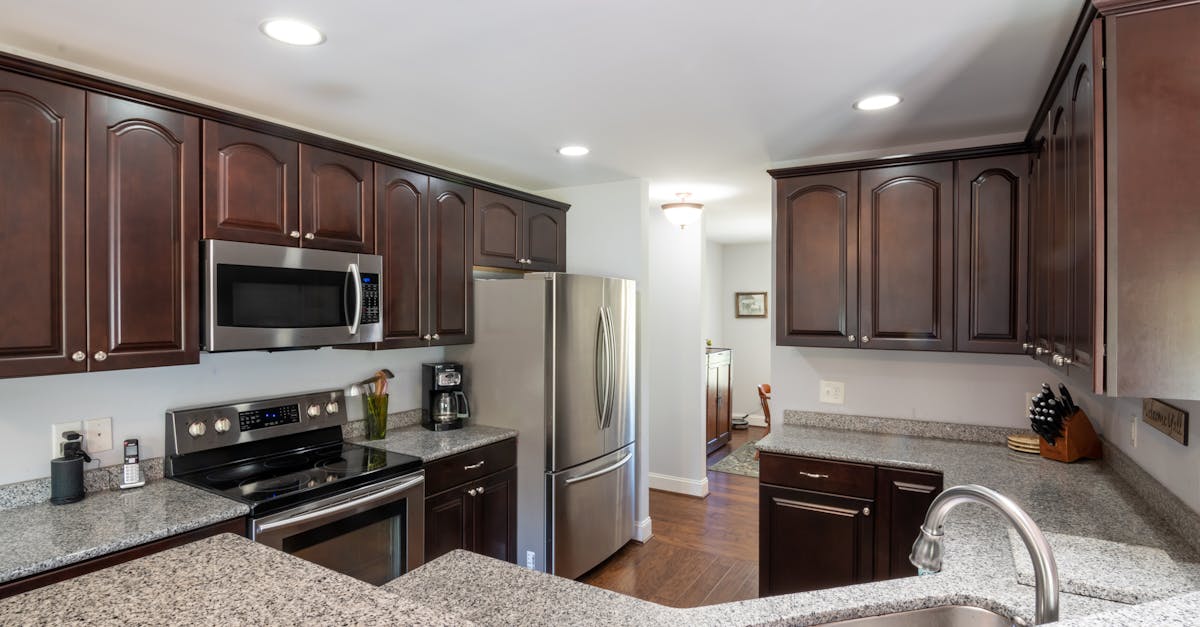
In dark kitchens, the choice and arrangement of lighting play a vital role in creating a welcoming atmosphere. Natural light sources should be maximised whenever possible. Large windows allow sunlight to pour in, providing a contrast to darker cabinetry and surfaces during the day. In addition, strategically placed artificial lighting can enhance visibility in work areas. Using a combination of ambient, task, and accent lighting ensures that spaces are bright without overwhelming the senses.
Layered lighting solutions are beneficial for achieving balance in a dark kitchen. Pendant lights above islands or dining areas can create focal points while also providing necessary illumination. Recessed lighting offers a subtle glow that can brighten up darker corners without interfering with the kitchen's aesthetic. Incorporating dimmers allows for flexible light control, adapting the mood from bright and functional to soft and intimate. These considerations are essential for transforming a dark kitchen into a warm and inviting space.
Types of Lighting That Complement Dark Shades
Incorporating the right lighting can significantly enhance the aesthetic appeal of kitchens that embrace darker shades. Soft, warm pendant lights hanging over countertops create inviting focal points without overpowering the space. Recessed lighting also plays a pivotal role, offering a sleek look that illuminates both the walls and the surfaces below. These lighting options enable a balance between function and style, making the kitchen both practical and visually appealing.
Accent lighting offers another layer of sophistication, especially when highlighting specific design features in a dark kitchen. Under-cabinet lights bring a subtle glow to work areas, ensuring that tasks can be performed with ease. Choosing fixtures with dimming capabilities adds versatility, allowing for adjustments based on the time of day or mood. This adaptability contributes to a welcoming environment that enhances the richness of darker hues.
Textures That Pair Well with Dark Shades
Incorporating textured materials can add visual interest to dark kitchen spaces. Matte finishes, such as chalky paints or rough-hewn wood, create a striking contrast against deeper shades, softening the overall aesthetic. Glossy surfaces, like polished stone or glass, can also introduce a sleek elegance, reflecting light and enhancing the depth of darker hues. These combinations not only elevate the appearance of the kitchen but also convey a sense of luxury and sophistication.
Another approach is to mix different materials that complement the dark tones. For instance, the warmth of natural wood can provide a beautiful juxtaposition against a charcoal or navy backdrop. Metal accents, such as brushed brass or copper, bring an element of shine and dynamism, making the space feel contemporary. Combining these elements thoughtfully can lead to a harmonious and inviting kitchen environment, encouraging a balance between boldness and comfort.
Adding Depth with Various Materials
Incorporating different materials can significantly enhance the depth and dimension of darker kitchen finishes. Timber elements, for instance, bring warmth and a natural texture that contrasts beautifully with sleek dark cabinetry. Matte finishes in stone or concrete add an industrial edge, while polished surfaces can reflect light, creating an interesting play of shadows and highlights. Carefully selecting materials that either complement or contrast with the darker shades will highlight the unique features of your kitchen.
Metal accents, such as brass or blackened steel, can further amplify the visual interest in your kitchen space. These additions provide a modern touch while breaking the monotony often associated with darker colours. Layering various materials not only offers aesthetic appeal but also helps in addressing practical needs, such as durability and easy maintenance. Balancing these elements will create an inviting environment that feels both luxurious and functional.
Open Shelving
Incorporating open shelving into a kitchen can effectively showcase darker finishes. These shelves provide a unique opportunity to display beautiful dishware or well-curated decor, allowing the rich tones of the shelving material to stand out against lighter walls or contrasting elements. This visual interplay adds character to the space, making it feel both modern and inviting. Organising items by colour can further enhance the aesthetic, bringing a sense of harmony to the kitchen.
Utilising dark finishes for open shelving can also create a striking focal point in the room. The shelves can be made from materials like stained timber, matte black steel, or even dark-hued glass, each offering their own unique texture and appeal. This approach not only maximises storage but also encourages creativity in how items are arranged and displayed. Careful selection of complementary lighting will further highlight these shelves, ensuring they remain an eye-catching feature in the kitchen.
Maximising Space with Dark Open Shelving
Dark open shelving can transform the visual appeal of a kitchen while also creating an illusion of spaciousness. By selecting shelving units in rich, dark hues, a cohesive look emerges that balances the boldness of the darker shades in cabinetry or walls. These shelves act as a striking contrast against lighter backgrounds, drawing attention without overwhelming the space. Items displayed on these shelves, from beautifully arranged dishes to decorative jars, add personal character while keeping the area feeling open and uncluttered.
Incorporating darker open shelving can also encourage a minimalist approach to kitchen organisation. The less-is-more philosophy allows for selective display, showcasing only the essentials or aesthetically pleasing pieces. This tactic not only highlights the dark finishes but also aids in maintaining a tidy and spacious environment. Strategically placing lighting beneath or above these shelves further enhances depth and interest, making the kitchen feel vibrant and welcoming.
FAQS
How can I effectively light a dark kitchen?
To effectively light a dark kitchen, consider using a combination of ambient, task, and accent lighting. Incorporate overhead pendant lights, under-cabinet lighting, and wall sconces to create a well-lit space that highlights darker shades.
What types of lighting work best in kitchens with dark colours?
LED lights, warm white bulbs, and dimmable fixtures work best in kitchens with dark colours. These options provide flexibility in brightness and create a warm, inviting atmosphere that complements dark shades.
What textures should I consider to enhance dark kitchen designs?
Textures such as matte finishes, brushed metals, natural woods, and stone can enhance dark kitchen designs. These materials add visual interest and depth, making the overall look more dynamic and appealing.
How can I add depth to a dark kitchen using materials?
You can add depth by mixing materials, such as combining dark cabinetry with lighter countertops or incorporating a variety of textures, like glossy tiles alongside matte finishes. This contrast will create a balanced and visually engaging space.
What are the benefits of using open shelving in a dark kitchen?
Open shelving in a dark kitchen allows you to showcase beautiful dishes, cookware, and decorative items while keeping the space feeling open and airy. It can also serve as a functional design element, helping to break up the darkness of the cabinetry.
Related Links
Trends in Textured Finishes for Kitchen SurfacesPopular Finishes to Enhance Your Kitchen Aesthetics
Integrating Natural Elements Through Colour Choices
Designing a Harmonious Colour Flow with Open Spaces
How to Incorporate Accent Colours in Your Kitchen
Exploring Neutrals: The Timeless Kitchen Palette
Bold Colour Combinations for Modern Kitchen Designs