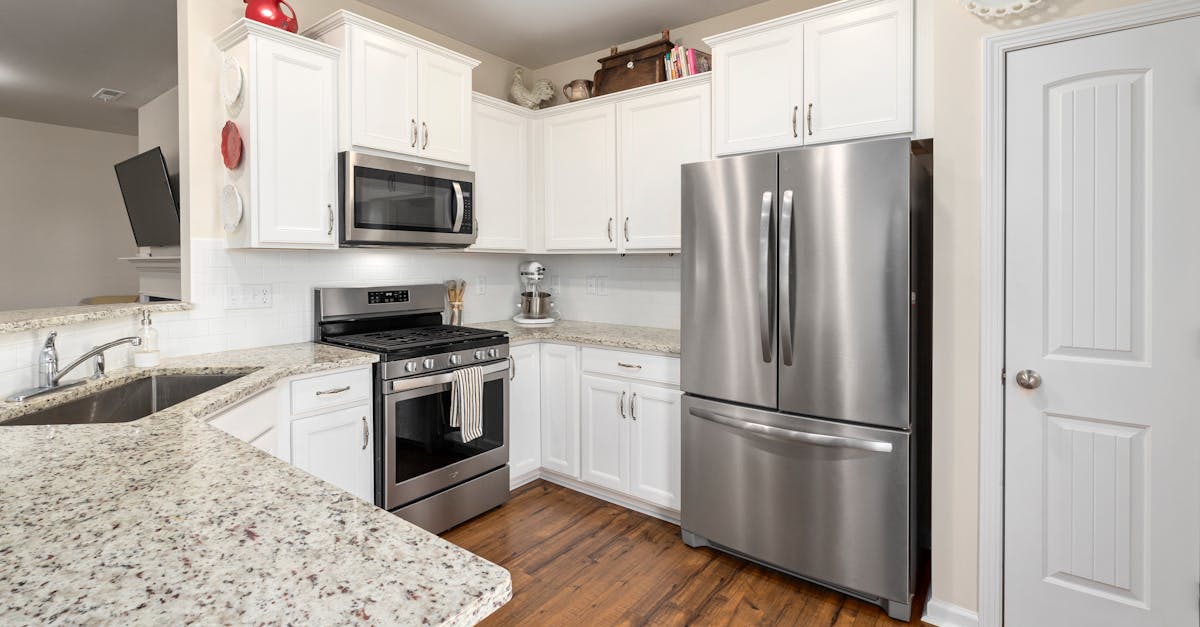
Allocating Your Budget: Key Areas for Kitchen Renovation Spend
Table Of Contents
Appliances
Investing in quality appliances should be a top priority when planning your kitchen renovation. High-end options often come with increased efficiency, enhanced features, and improved longevity. While the initial cost may be higher, the benefits of durable and reliable appliances can provide substantial value over time. It’s important to consider your cooking habits and lifestyle when selecting these items, as there are a variety of choices tailored to different needs and preferences.
When considering appliances, energy efficiency is crucial to factor into the overall budget. Many modern devices carry efficiency ratings that can lead to considerable savings on utility bills. Energy-efficient models often utilise technology designed to reduce electricity and water consumption, making them not only a smart environmental choice but also a financially savvy one. Thorough research on the energy ratings of different appliances can guide you toward selections that align with both your culinary aspirations and budget constraints.
Energy Efficiency and Long-Term Savings
Investing in energy-efficient appliances can significantly reduce your household's energy consumption. These appliances often come with labels that indicate their efficiency ratings, making it easier to choose options that align with your budget and environmental goals. Initially, the upfront cost may seem high compared to standard models, but the long-term savings on bills can offset this expense. Many energy-efficient appliances also qualify for government rebates, further enhancing their affordability.
Incorporating energy-efficient features into your kitchen renovation goes beyond just appliances. Consider upgrading insulation, sealing gaps, and utilising natural light through strategically placed windows or skylights. These changes can lower heating and cooling costs while improving the overall comfort of your space. Investing in high-quality, energy-saving solutions ensures that your kitchen not only serves your needs now but also contributes to reduced energy bills for years to come.
Lighting Solutions for Functionality
Effective kitchen lighting is pivotal for both functionality and ambience. Layered lighting is a practical solution, encompassing ambient, task, and accent lighting. Ambient lighting provides a general glow, making it easier to navigate the space. Task lighting focuses on specific areas like countertops and cooking zones, ensuring that culinary tasks can be performed safely and efficiently.
Choosing the right fixtures can enhance the overall design while fulfilling practical needs. LED lights are an increasingly popular option due to their energy efficiency and longevity. Dimmers can also be a wise choice, allowing for flexibility in brightness based on the time of day or occasion. This blend of design and practicality contributes to a well-functioning kitchen that supports daily activities without sacrificing style.
Balancing Aesthetics and Practicality
Creating a kitchen that blends beauty with functionality requires thoughtful consideration of both design and practicality. Selecting materials that are visually appealing yet durable is essential. For example, choosing stone or solid surface countertops can elevate the look of the space while also offering resistance to scratches and spills. Additionally, cabinetry should complement the overall style without compromising on storage efficiency. Custom designs can serve unique needs, allowing for a seamless integration of aesthetics and organisational features.
The choice of fixtures can also play a significant role in achieving this balance. Sinks and taps should not only match the desired interior design but must also withstand everyday use. Investing in high-quality hardware can provide longevity and performance while contributing to the kitchen's overall style. Lighting fixtures should enhance the ambiance while ensuring proper functionality for task-oriented areas. Achieving synergy between style and usability will ultimately lead to a kitchen space that is both welcoming and practical for daily life.
Plumbing and Electrical Upgrades
Updating plumbing and electrical systems is a critical component of any kitchen renovation. Older systems may not be capable of handling the demands of modern appliances or may fall short of current safety standards. Investing in high-quality materials can prevent future headaches and ensure your setup meets both functionality and code requirements. From re-piping to installing new circuits, this aspect of renovation requires careful consideration and often the expertise of licensed professionals.
Furthermore, proactive upgrades can enhance the overall efficiency of your kitchen. For instance, modern plumbing fixtures can significantly reduce water waste, while LED lighting can lead to substantial energy savings over time. These improvements not only improve the workflow in your kitchen but also contribute to a more sustainable home environment. Addressing these essential upgrades during your renovation will lay a solid foundation for years of reliable use.
Ensuring Compliance and Safety
When embarking on a kitchen renovation, adhering to local building codes and regulations is essential. These standards ensure that all plumbing and electrical work meets safety guidelines, reducing the risk of hazards in the home. Engaging qualified professionals can help navigate these requirements effectively. They possess the expertise to manage installations that comply with Australian regulations, providing peace of mind throughout the renovation process.
Neglecting to follow compliance rules can lead to significant setbacks and potential hazards. Inspections may reveal unapproved work, resulting in costly rework or, worse, safety risks that compromise the home. Investing time and resources to ensure adherence to all legal requirements enhances not only the safety of the kitchen but also adds value to the property in the long run. Making informed decisions during the renovation will ultimately support a safe and efficient kitchen environment.
FAQS
What are the most important appliances to consider when budgeting for a kitchen renovation?
When budgeting for a kitchen renovation, focus on key appliances such as the refrigerator, oven, cooktop, and dishwasher. Investing in quality and energy-efficient models can enhance functionality and save on energy costs in the long run.
How can I ensure that my kitchen renovation is energy efficient?
To ensure energy efficiency in your kitchen renovation, look for appliances with high energy ratings, incorporate LED lighting solutions, and consider installing smart home technologies that help monitor and reduce energy consumption.
What types of lighting solutions should I include in my kitchen renovation budget?
Your kitchen renovation budget should account for a mix of task, ambient, and accent lighting. This includes overhead fixtures, under-cabinet lights for work areas, and decorative elements to enhance the space's overall aesthetics.
Why is it important to upgrade plumbing and electrical systems during a kitchen renovation?
Upgrading plumbing and electrical systems is crucial to ensure compliance with current safety standards, improve functionality, and prevent potential hazards. This will also accommodate new appliances that may require more power or different plumbing configurations.
How can I balance aesthetics and practicality in my kitchen renovation?
To balance aesthetics and practicality, choose durable materials that are easy to maintain and complement your design style. Prioritise functional layouts and storage solutions while incorporating design elements that reflect your personal taste without compromising usability.
Related Links
Estimating Material Costs for Your Kitchen OverhaulComparing Average Renovation Costs in Different Hobart Suburbs
Navigating Installation Costs in Kitchen Renovation Projects
Understanding Labour Costs in Hobart Kitchen Renovations
Hidden Costs to Anticipate When Renovating Your Hobart Kitchen
Essential Costs You Need to Consider for Kitchen Upgrades
Budgeting for Kitchen Renovations: What to Expect in Hobart
How to Calculate Your Kitchen Renovation Costs in Hobart