Essential Costs You Need to Consider for Kitchen Upgrades
Table Of Contents
Custom vs. Pre-made Cabinets
When considering cabinetry for a kitchen upgrade, the choice between custom and pre-made options can significantly affect both aesthetics and budget. Custom cabinets offer the advantage of tailored designs that fit specific dimensions and personal style preferences. This flexibility allows homeowners to choose materials and finishes that align closely with their vision. However, this level of customization often comes at a higher price, reflecting the craftsmanship and time involved in their creation.
On the other hand, pre-made cabinets present a more budget-friendly alternative, designed to fit standard kitchen sizes. These options are readily available and typically come in set configurations and styles. While they may limit design flexibility, many pre-made cabinets still boast a variety of finishes and colours, making it easier for some to find a suitable option without the lengthy lead times associated with custom builds. The decision ultimately hinges on the desired look, functionality, and available budget for the renovation project.
Cost Comparisons for Cabinetry
Custom cabinets often come with a higher price tag due to the bespoke nature of their design and construction. Homeowners can expect to invest significantly more for tailored finishes, layouts, and materials that fit their specific kitchen dimensions. The advantage lies in achieving a unique look that aligns perfectly with personal style. Durability and quality can also be higher, which might justify the initial cost over time.
Pre-made cabinets present a more budget-friendly option and can be a practical choice for those looking to renovate without overspending. These cabinets are usually available in standard sizes and styles, which limits design flexibility but offers faster installation. While the materials may not always match the durability of custom options, many pre-made cabinets are built to last and come in a variety of finishes. This affordability can make them especially appealing for first-time homeowners or those working within a strict budget.
Flooring Options
Choosing the right flooring can significantly impact both the aesthetics and functionality of a kitchen. Popular options include tile, hardwood, laminate and vinyl. Each material offers unique benefits. Tiles provide durability and resist moisture, making them ideal for kitchens prone to spills. Hardwood adds a touch of warmth and elegance, while laminate and vinyl can mimic these looks at a more affordable price.
When assessing flooring prices, consider not only the material costs but also installation expenses. Professional installation may be necessary for certain flooring types, especially tiles. DIY approaches can save money but may require a higher skill level and time commitment. It is also wise to account for any necessary underlayment or preparation work needed to ensure a smooth and lasting finish. Evaluating these factors will help create a budget that fits your vision and needs for the space.
Evaluating Flooring Prices and Installation
When considering flooring options, prices can vary significantly based on the material chosen. Timber, laminate, tile, and vinyl each come with distinct costs that can impact your overall budget. Timber can offer a warm aesthetic but often comes with a higher price point, while laminate provides a budget-friendly alternative. Tile can be cost-effective yet can incur additional expenses for intricate designs and professional installation. Vinyl, known for its durability and versatility, presents an appealing option for those looking for a balance between affordability and style.
Installation costs are another critical factor in the flooring calculation. Professional installation may be necessary for certain materials, which adds to the overall expense. Additionally, the complexity of the installation process can influence labour costs. For instance, patterned tiles may require extra work to ensure they align correctly. Some homeowners may opt for DIY installation to save money, but this approach requires knowledge and skill to achieve a satisfactory finish. Weighing both the material and installation costs will provide a clearer picture of your flooring investment.
Lighting Enhancements
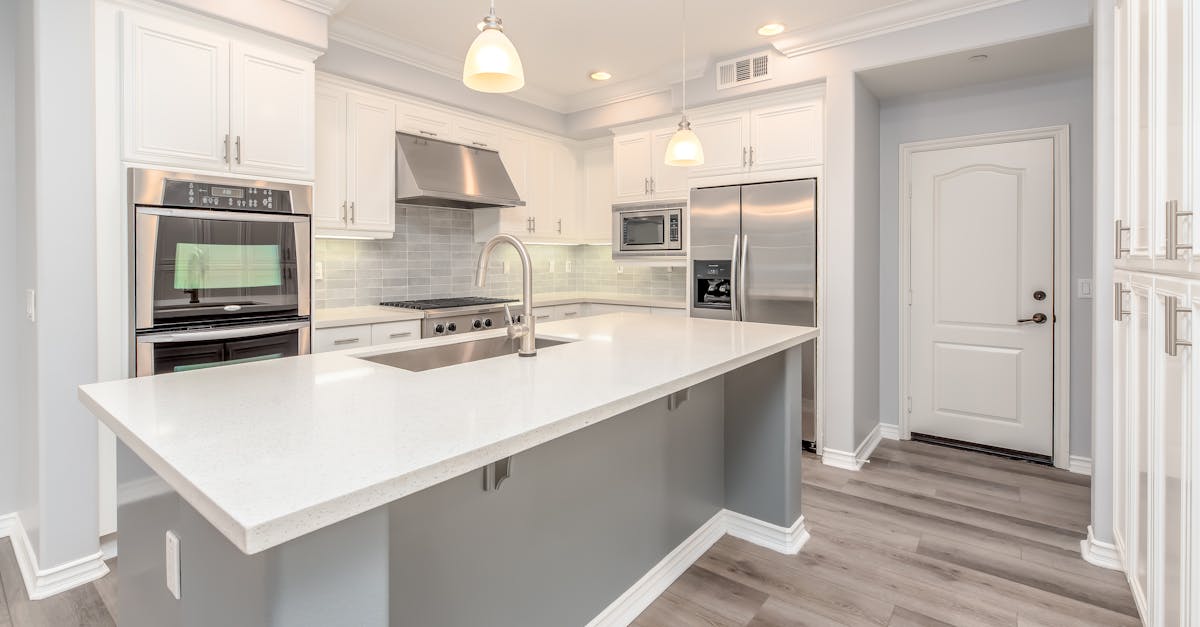
Good lighting plays a pivotal role in the functionality and aesthetics of a kitchen. It can transform the space, making it feel larger and more inviting. When considering lighting options, one may explore ambient, task, and accent lighting to create a well-balanced environment. Some popular choices include pendant lights over kitchen islands, under-cabinet lighting for increased visibility, and recessed lights that provide a clean, contemporary look.
Cost can vary widely based on the type of fixtures you choose and the complexity of installation. Basic pendant lights might start around AUD 150 each, while designer options can climb significantly higher. In addition to fixture prices, it’s essential to factor in installation costs, particularly if electrical work is required. Ultimately, a well-thought-out lighting plan can enhance both the functionality and beauty of your kitchen upgrade, ensuring you achieve your desired ambiance.
Cost of Various Lighting Solutions
Upgrading lighting in your kitchen can have a significant impact on the overall design and functionality. Pendant lights, for instance, offer both style and practicality, with prices generally ranging from $100 to $300 each, depending on the materials and brand. Recessed lighting, another popular choice, can cost between $100 and $200 per unit, including installation. For those who prefer a more modern touch, LED strip lights can be a budget-friendly option, usually priced around $50 to $150, and they provide excellent ambient lighting.
Additionally, energy-efficient solutions contribute to long-term savings on electricity bills. Smart lighting systems, which allow for remote control and scheduling, can start at around $200 for basic setups. While the initial investment might be higher, the energy savings on LED fixtures should not be overlooked. When budgeting for lighting upgrades, it’s essential to also consider the cost of switches and dimmers. These often add another $30 to $100 per unit and can enhance the versatility of your kitchen’s atmosphere.
FAQS
What are the main factors that determine the cost of kitchen upgrades?
The main factors include the materials chosen (like cabinets, flooring, and lighting), the complexity of the installation, labour costs, and the overall size of the kitchen.
Is it worth investing in custom cabinets over pre-made options?
Custom cabinets offer tailored solutions that can maximise space and match your design preferences, but they typically come at a higher cost compared to pre-made options. Consider your budget and long-term needs when deciding.
What types of flooring are best for kitchens?
Popular flooring options for kitchens include tile, hardwood, laminate, and vinyl. Each has its pros and cons in terms of cost, durability, and maintenance, so choose based on your lifestyle and budget.
How can I evaluate the costs of lighting solutions for my kitchen?
Start by considering the types of lighting you need—ambient, task, and accent lighting. Research various fixtures and their prices, and factor in installation costs to get a comprehensive understanding of your budget.
Are there any hidden costs I should be aware of during kitchen upgrades?
Yes, hidden costs may include permits, unexpected structural repairs, or additional installations like plumbing or electrical work. It’s wise to set aside a contingency budget to cover these potential expenses.
Related Links
Hidden Costs to Anticipate When Renovating Your Hobart KitchenBudgeting for Kitchen Renovations: What to Expect in Hobart
Navigating Installation Costs in Kitchen Renovation Projects
Understanding Labour Costs in Hobart Kitchen Renovations
Estimating Material Costs for Your Kitchen Overhaul