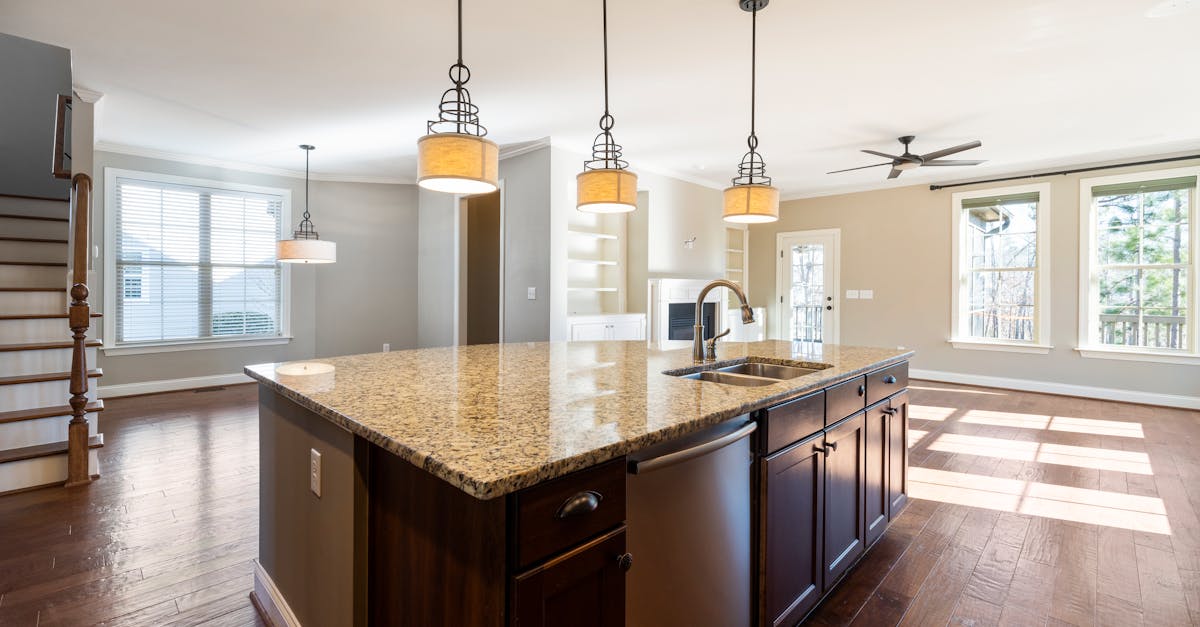
Identifying the Overlooked Costs in Kitchen Renovation Projects
Table Of Contents
Permits and Regulations in Kitchen Renovations
Navigating the world of kitchen renovations often requires a deep understanding of local building codes and the necessary permits. Homeowners must ensure that they comply with regulations that can vary significantly between council jurisdictions. Applying for the right permits not only helps avoid potential fines but also safeguards the value of your property. Engaging with local authorities early in the planning process ensures that all modifications to the kitchen meet safety and building standards.
The process of obtaining permits can sometimes be more complex than anticipated. Homeowners may face unexpected delays due to paperwork or inspections, which can extend project timelines and lead to increased costs. It is vital to budget for additional time and resources when pursuing necessary permissions. Working with professionals familiar with local requirements can simplify this process, getting your renovation on track while adhering to all legal obligations.
Navigating Local Building Codes and Fees
Understanding the local building codes is essential for any kitchen renovation project. Each council may have specific requirements that must be adhered to, including structural regulations, electrical and plumbing standards, and safety measures. Failure to comply can result in fines, delays, and the need for costly modifications. Therefore, it is crucial to do thorough research or consult a professional who is familiar with the regulations in your area. This step can help ensure that your renovation meets all necessary criteria right from the start.
In addition to regulations, various fees may be associated with obtaining required permits. These fees can vary widely depending on the size and complexity of your project. While they may seem like a minor expense in the grand scheme of a kitchen renovation, they can accumulate quickly. It is advisable to factor these costs into your overall budget to avoid any unpleasant surprises later on, as overlooking them could derail your renovation plans.
Unexpected Structural Changes
Homeowners often underestimate the potential for structural changes during a kitchen renovation. Hidden issues may surface, such as outdated wiring, plumbing problems, or unexpected mould and moisture damage. These issues can lead to significant delays and added costs, often requiring immediate attention to ensure safety and code compliance. Engaging a contractor who can conduct a thorough inspection before work begins can help identify these potential problems, allowing for better budgeting and planning.
Modifications to existing layouts can also necessitate structural adjustments. Removing or relocating walls, for instance, may require reinforcement or additional support systems, which adds complexity to the project. Without proper assessment, these tasks risk becoming costly surprises. Accurate planning and realistic budgeting should factor in the possibility of unforeseen structural changes, ensuring the renovation progresses smoothly without compromising financial resources.
Accounting for Unforeseen Repairs and Modifications
Renovating a kitchen often reveals hidden issues that can necessitate repairs. Age-old plumbing systems might not withstand the changes made during a renovation, leading to sudden leaks or pipe failures. Electrical entirely outdated systems may also require upgrades to meet modern safety standards. These unforeseen repairs can significantly affect your budget. It is essential to account for potential modifications when planning your renovation to avoid any nasty surprises.
Moreover, structural changes may arise during the initial stages of the project. Discovering damage to walls, floors, or ceilings can require immediate addressing to ensure safety and functionality. If load-bearing walls are involved, consultations with professionals become crucial. Allowing flexibility in your budget for these unexpected modifications will provide a buffer that accommodates the project's evolving needs. Planning for these possibilities is vital to create a kitchen that meets your requirements and withstands wear over time.
Appliance Selection and Installation
Selecting appliances for a kitchen renovation goes beyond mere aesthetics; it requires careful consideration of functionality and energy efficiency. High-end appliances often come with a premium price tag, which can significantly inflate the overall budget of a renovation project. Additionally, opting for the latest technology may involve higher installation costs, especially if modifications to existing cabinetry or plumbing are needed. Homeowners should assess their cooking habits and lifestyle needs to determine which appliances will provide the best long-term value, balancing desire with practicality.
The installation process can also present hidden expenses that catch many off guard. Factors such as the complexity of the installation, potential upgrades to electrical systems, and necessary modifications to layout can quickly add to the bottom line. When selecting appliances, it's essential to factor in these potential overages to avoid financial strain later on. Engaging professionals for accurate assessments and installations can mitigate these unexpected costs while ensuring optimal performance of the appliances chosen.
The Impact of High-End Appliances on Your Budget
Investing in high-end appliances can significantly alter the financial landscape of a kitchen renovation. Premium brands often come with a price tag that reflects their quality, features, and energy efficiency. The cost of these appliances alone can take a hefty chunk out of your overall budget, and this expense is frequently underestimated. Homeowners may be tempted to succumb to the allure of sleek designs and advanced technology without fully accounting for their impact on the overall renovation costs.
Moreover, the installation of high-end appliances may also contribute to increased expenses. Professional installation is often required for these sophisticated units, involving additional labour costs and potential modifications to existing cabinetry or plumbing. While these appliances may promise improved functionality and longevity, it is essential to weigh their upfront costs against the long-term benefits. Understanding these financial implications ensures that decisions made during the renovation process align with both aesthetic desires and budgetary constraints.
FAQS
What are some common overlooked costs in kitchen renovation projects?
Common overlooked costs include permits and regulatory fees, unexpected structural changes, and the installation of high-end appliances.
How can I determine the local permits and regulations for my kitchen renovation?
You can determine local permits and regulations by checking with your local council or building authority, as they often provide guidelines and requirements related to kitchen renovations.
What should I do if I encounter unexpected structural changes during my renovation?
If you encounter unexpected structural changes, it’s essential to consult with a professional contractor or a structural engineer to assess the situation and provide cost-effective solutions.
How do high-end appliances affect my kitchen renovation budget?
High-end appliances can significantly increase your budget due to their higher purchase prices and installation costs, as well as potential additional electrical or plumbing upgrades needed to accommodate them.
Is it possible to plan for these overlooked costs in advance?
Yes, planning for overlooked costs can be achieved by conducting thorough research, obtaining detailed quotes, and including a contingency fund of around 10-20% of your total budget to cover unexpected expenses.
Related Links
Navigating the Financial Pitfalls of Kitchen UpgradesHow to Budget for Unforeseen Expenses in Your Kitchen Makeover
Avoiding Surprises: A Guide to Hidden Fees in Kitchen Projects
Understanding Quotation Inclusions and Exclusions in Renovations
The Importance of a Contingency Fund in Kitchen Renovation Budgeting
Essential Tips for Anticipating Extra Costs in Your Kitchen Redesign
Strategies to Mitigate Hidden Charges During Your Renovation
The Financial Impact of Unexpected Renovation Fees